November 5, 2026
Installing an air conditioner involves more than replacing one piece of equipment with another. The system must suit the home, work with the available electrical and air-distribution components, and meet applicable installation requirements. Decisions made before work begins can influence temperature control, humidity management, energy use, sound levels, and equipment performance for years.
Professional planning helps connect those considerations before any components are placed. Providers of air conditioner install services examine the building, discuss comfort concerns, and identify conditions that may affect the installation. Homeowners can expect the process to address the type of system, required capacity, efficiency rating, equipment locations, ductwork, drainage, controls, and final testing. Understanding these three areas makes it easier to follow the project from assessment through startup.
1. The System Must Match the Home
Air conditioners come in several configurations, and the right choice depends on the building rather than one feature alone. Central systems distribute cooled air through ducts, while ductless systems use individual indoor units connected to outdoor equipment. Heat pump systems may provide both cooling and heating when suitable for the climate and property. Air conditioner install services can evaluate which configuration works with the home's layout and existing infrastructure.
A central system may be a practical choice when usable ductwork already serves the necessary rooms. Its performance depends on ducts that can carry the required airflow without excessive leakage, restriction, or imbalance. If the ducts are damaged, poorly sized, or disconnected, new cooling equipment may struggle to deliver consistent comfort. The condition of the air-distribution system therefore deserves attention during planning rather than after installation.
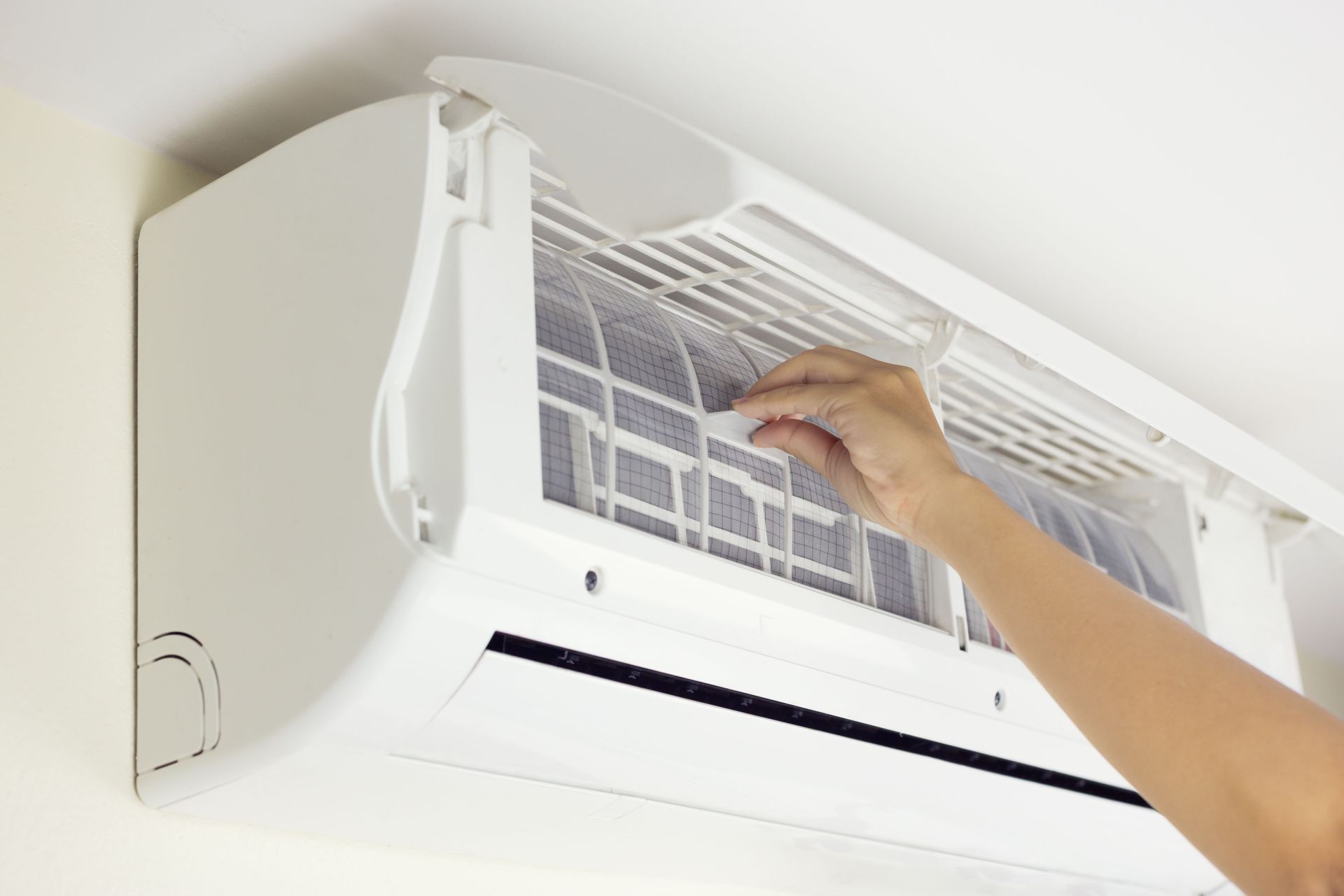
Ductless equipment may suit additions, older homes without ducts, or rooms that need independent temperature control. Indoor units require suitable wall or ceiling locations, while refrigerant lines, drainage, electrical connections, and the outdoor unit must follow an appropriate route. Placement affects airflow and the appearance of the room, so the installation plan should account for both performance and visual impact. The number of indoor zones should reflect how the spaces are used.
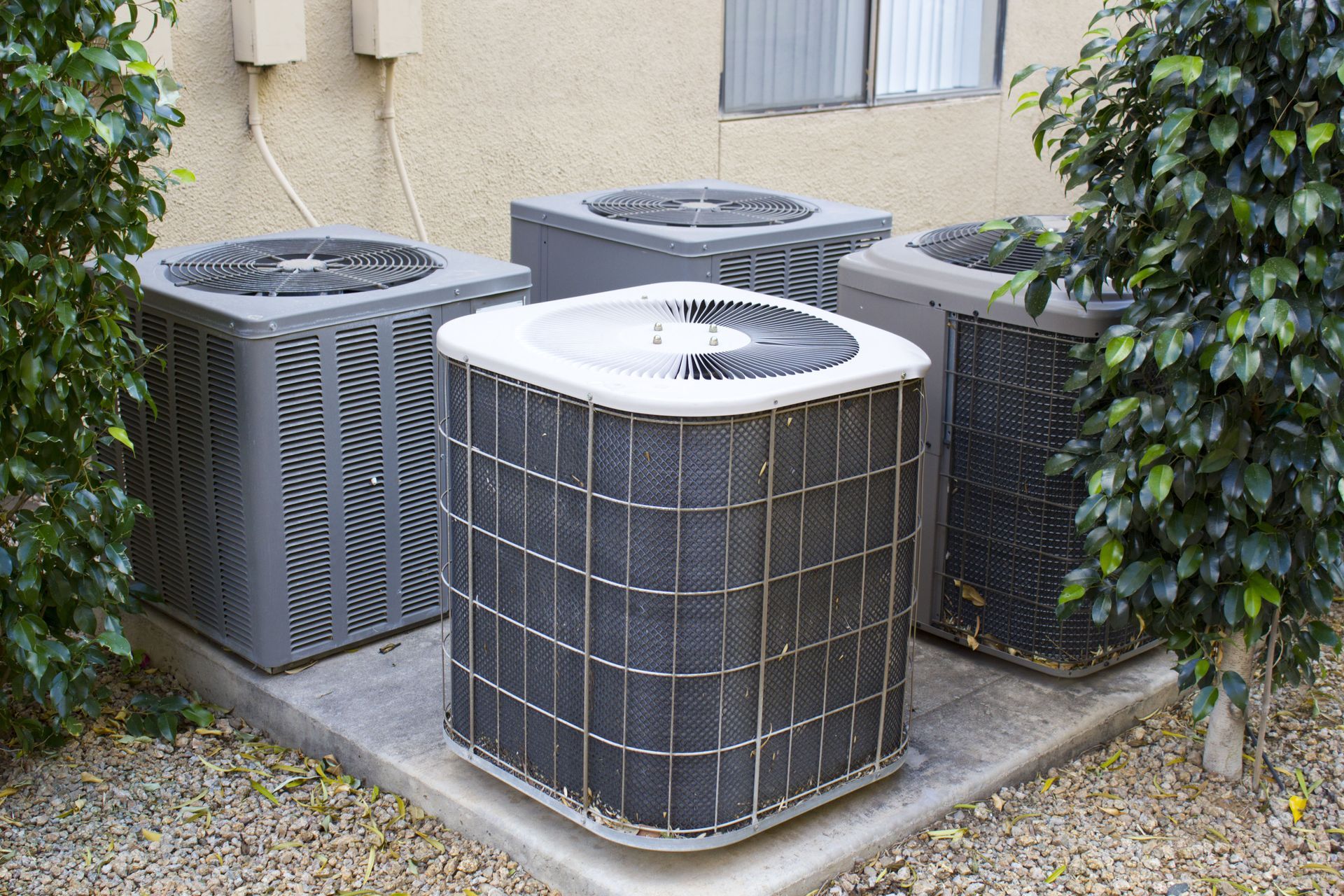
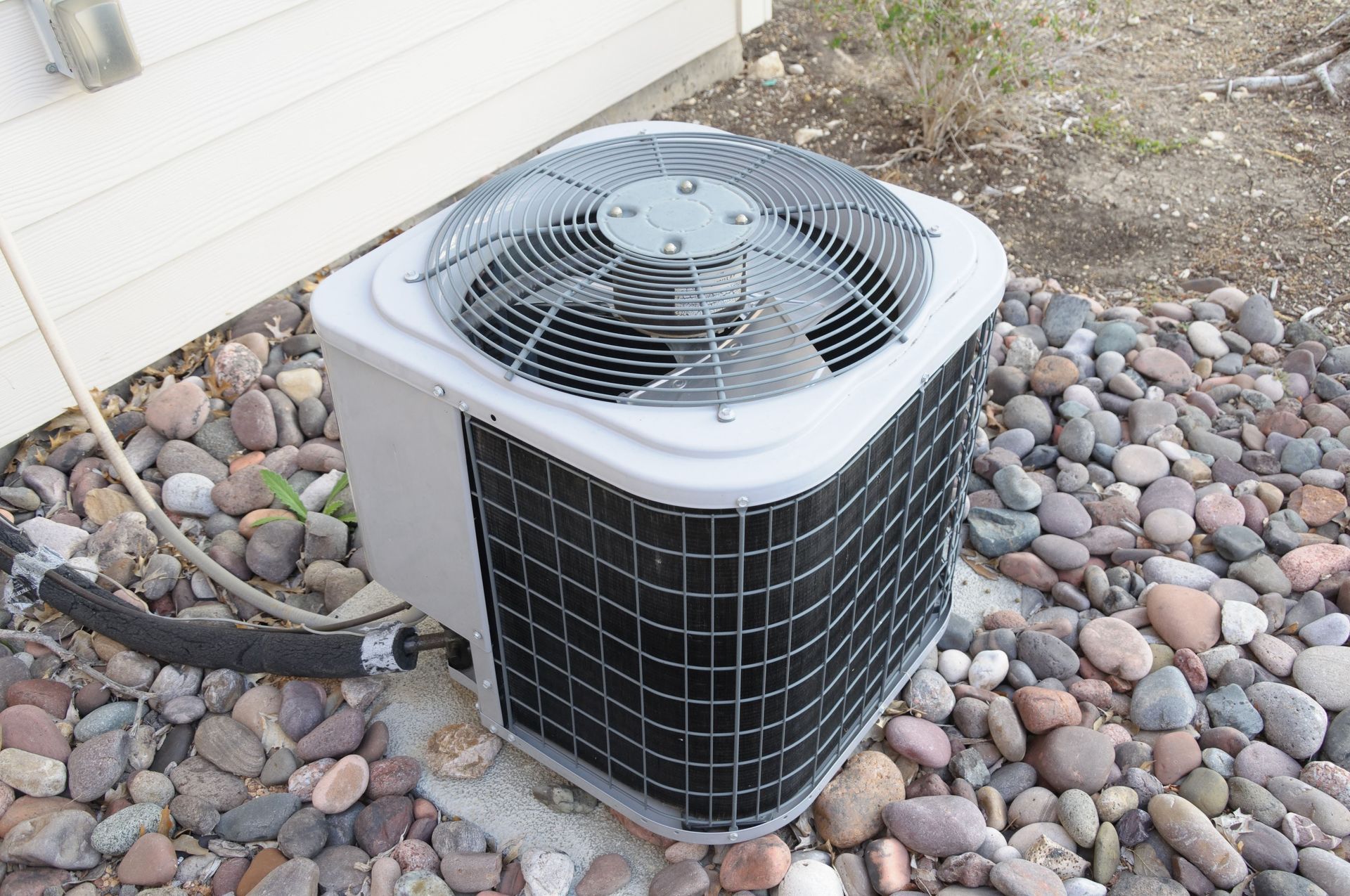
Equipment location also influences operation and future service. Outdoor components need appropriate clearances and a stable base, while indoor equipment must remain accessible for inspection and maintenance. The installer should consider noise, drainage, airflow, weather exposure, and the distance between connected components. Thoughtful placement supports reliable function without creating avoidable obstructions around the home.
Efficiency requirements are another part of system selection. According to World Population Review, state-level minimum SEER requirements generally range from 13.4 to 15. The applicable rating can depend on location and equipment type, so the selected system must meet the requirements governing the installation. Efficiency ratings provide useful information, but they work alongside correct sizing, sound installation, and suitable controls rather than replacing those fundamentals.
2. Correct Sizing Requires More Than Square Footage
Cooling capacity must be matched to the home's actual cooling load. Square footage is one input, but it does not capture ceiling height, insulation, window area, sun exposure, air leakage, occupancy, appliances, or the amount of heat entering through the roof and walls. Air conditioner install services may use a load calculation to bring these factors together. This assessment supports equipment selection based on the building's characteristics instead of a rough estimate.
An undersized system may run for long periods while struggling to reach the desired temperature during demanding weather. Continuous operation can place additional strain on components and still leave distant or sun-exposed rooms uncomfortable. It may also indicate that the unit lacks the capacity to address the home's sensible and latent cooling needs under design conditions. Simply choosing a larger replacement without calculation does not resolve the underlying question.
Oversized equipment creates a different set of problems. A powerful unit may lower the temperature quickly and shut off before removing enough indoor moisture, leading to short cycles and uneven comfort. Frequent starts and stops can also interfere with steady airflow and consistent temperature distribution. Proper sizing seeks a balance that allows the system to cool and dehumidify as intended.
Airflow must be considered alongside capacity. Supply registers, return paths, blower settings, filters, and duct dimensions influence how conditioned air reaches each room and returns to the equipment. Restricted airflow can affect comfort even when the air conditioner has an appropriate capacity rating. Providers of air conditioner install services should therefore assess the equipment and distribution system as connected parts of the same installation.
Home changes may alter the calculation from what an older system required. Added rooms, replacement windows, insulation improvements, converted spaces, new appliances, and changes in occupancy can affect the cooling load. Replacing an existing unit with the same capacity is not always the most suitable approach. A current assessment accounts for the home as it exists at the time of installation.
3. Preparation and Testing Shape the Final Result
Before installation day, the contractor should confirm the equipment, work areas, system configuration, and expected sequence. Homeowners may need to provide access to the electrical panel, thermostat, indoor equipment, outdoor location, attic, crawl space, or other relevant areas. Air conditioner install services should explain whether cooling will be unavailable during the work and identify any property conditions that may affect access. Clear preparation helps the appointment proceed in an organized manner.
The electrical system must support the selected equipment and its required connections. Installers evaluate the disconnect, circuit, wiring, grounding, and other components associated with the air conditioner. Refrigerant lines must be routed and connected correctly, while condensate drainage needs a suitable path away from the equipment. Each part contributes to dependable operation and should be completed according to the system's specifications.
Ductwork may also require attention before or during installation. Technicians can inspect accessible sections for damage, leakage, loose connections, restrictions, or areas that may not support the new system's airflow. Registers and returns should be positioned and open so air can circulate through the intended spaces. Addressing distribution concerns helps the installed equipment deliver cooling throughout the home rather than concentrating it near the air handler.
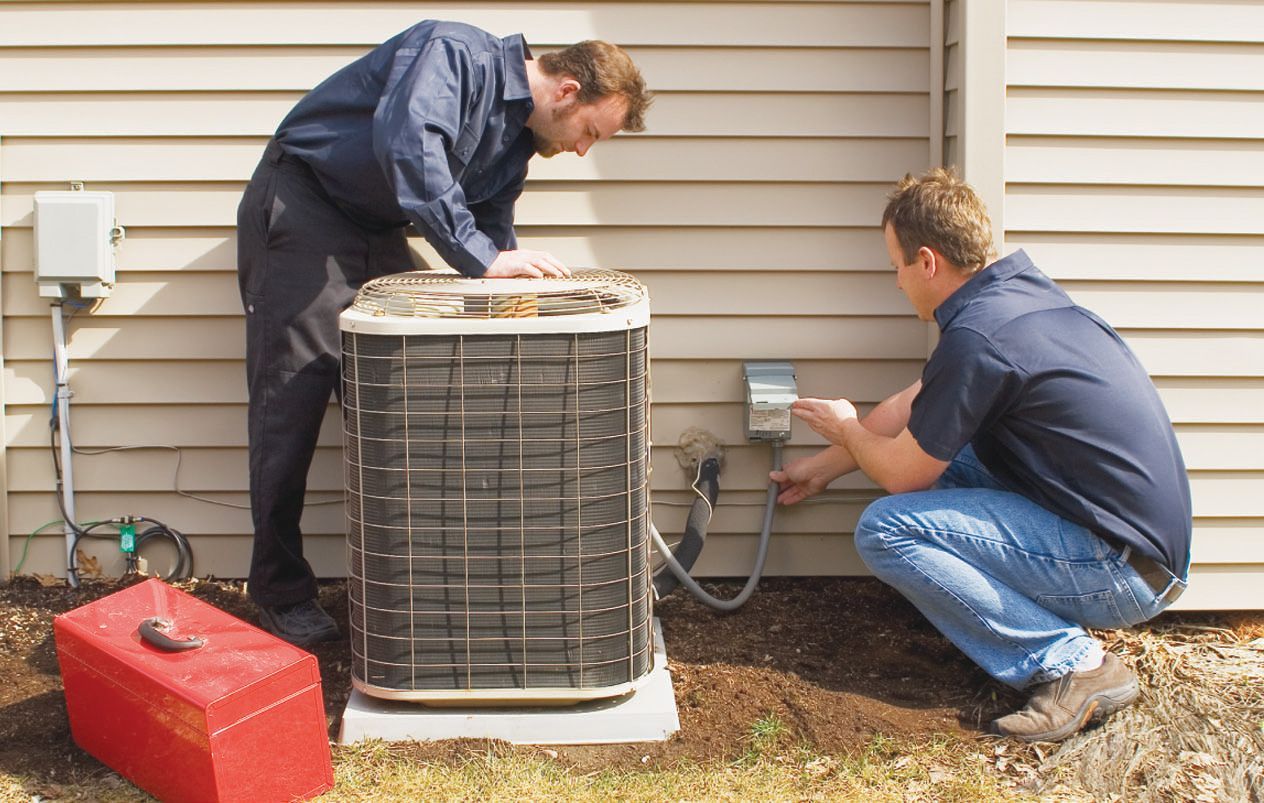
Startup testing is a distinct phase of professional installation, not simply the moment when the thermostat is switched on. The technician may verify electrical operation, refrigerant performance, temperature change, airflow, drainage, thermostat communication, and equipment response across an operating cycle. Air conditioner install services should also check for unusual sound or vibration and confirm that panels and connections are secure. These observations help identify adjustments before the system enters regular use.
The final walkthrough gives homeowners an opportunity to learn how the new system operates. The installer can explain thermostat functions, filter access, normal sounds, basic operating modes, and the maintenance schedule associated with the equipment. Homeowners should also know how to recognize a condition that calls for professional attention, such as persistent drainage, repeated shutdowns, or unexplained warning messages. Clear operating guidance completes the transition from installation to everyday use.
A Strong Start for Long-Term Comfort
A successful installation begins with compatibility between the home and the selected system. Equipment type, cooling capacity, efficiency, airflow, electrical service, drainage, and placement all contribute to performance. When these factors are assessed together, the finished system is better prepared to provide steady cooling and humidity control under the conditions it was chosen to handle.
Professional air conditioner install services bring assessment, installation, testing, and operating guidance into one coordinated process. Homeowners benefit from knowing why the equipment was selected, how the property was prepared, and what was confirmed during startup. That understanding makes the installation less mysterious and supports clearer communication after the work is complete. Careful decisions at the beginning establish a stronger foundation for dependable indoor comfort.