July 14, 2026
Summer heat often drives us indoors, seeking refuge in the cool embrace of air-conditioned spaces. However, it's quite perplexing when the very device designed to cool spaces becomes encased in ice. Understanding what causes an air conditioner's evaporator coil to ice over is critical, especially when timely AC repair can prevent a minor issue from becoming a larger breakdown. Maintaining your air conditioner’s efficiency ensures comfort, reduces energy consumption, and prevents the inconvenience of untimely breakdowns. Looking into this issue uncovers common triggers and how users can keep their cooling systems running smoothly.
Basics of an Air Conditioner and Its Evaporator Coil
How an Air Conditioner Works
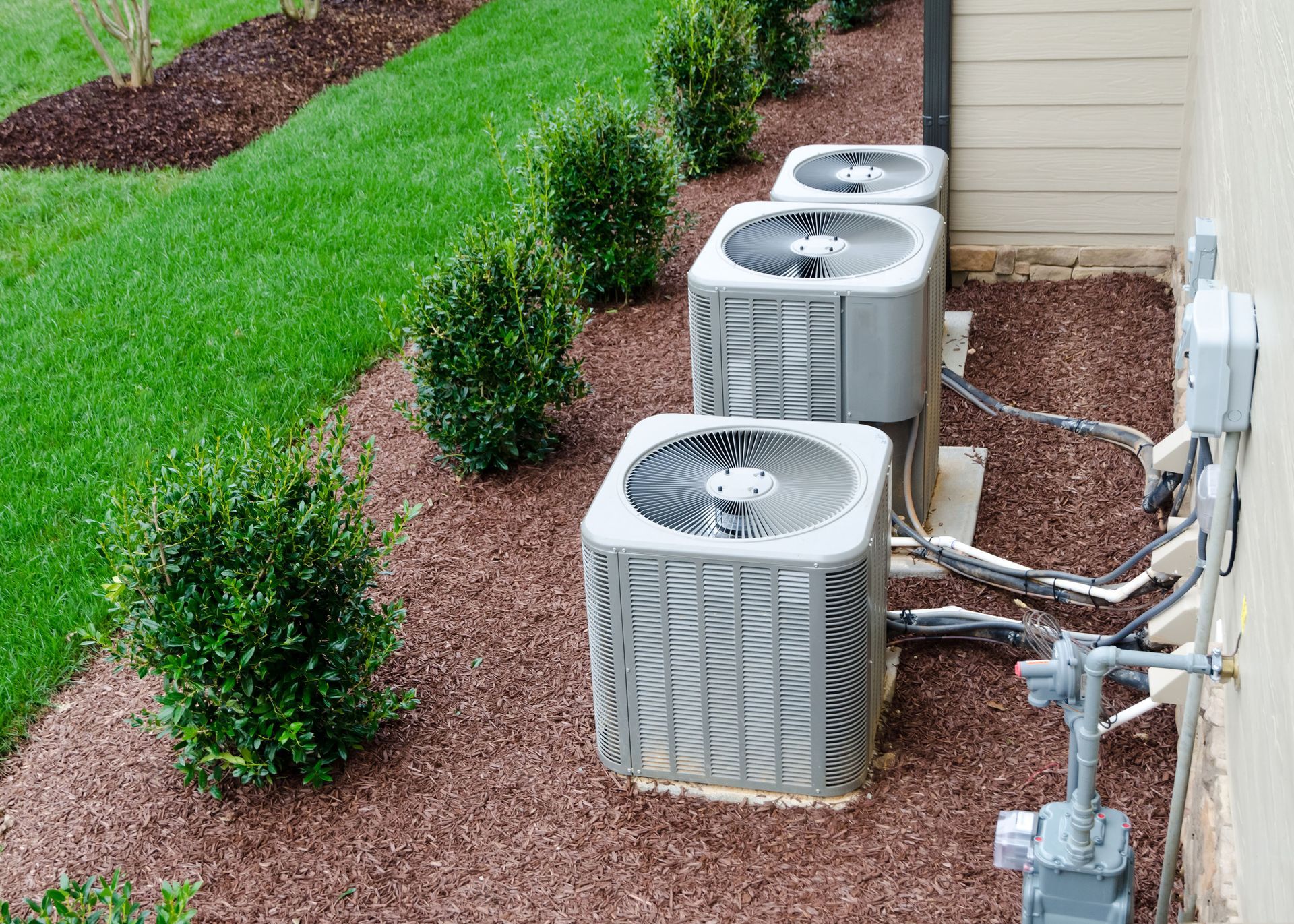
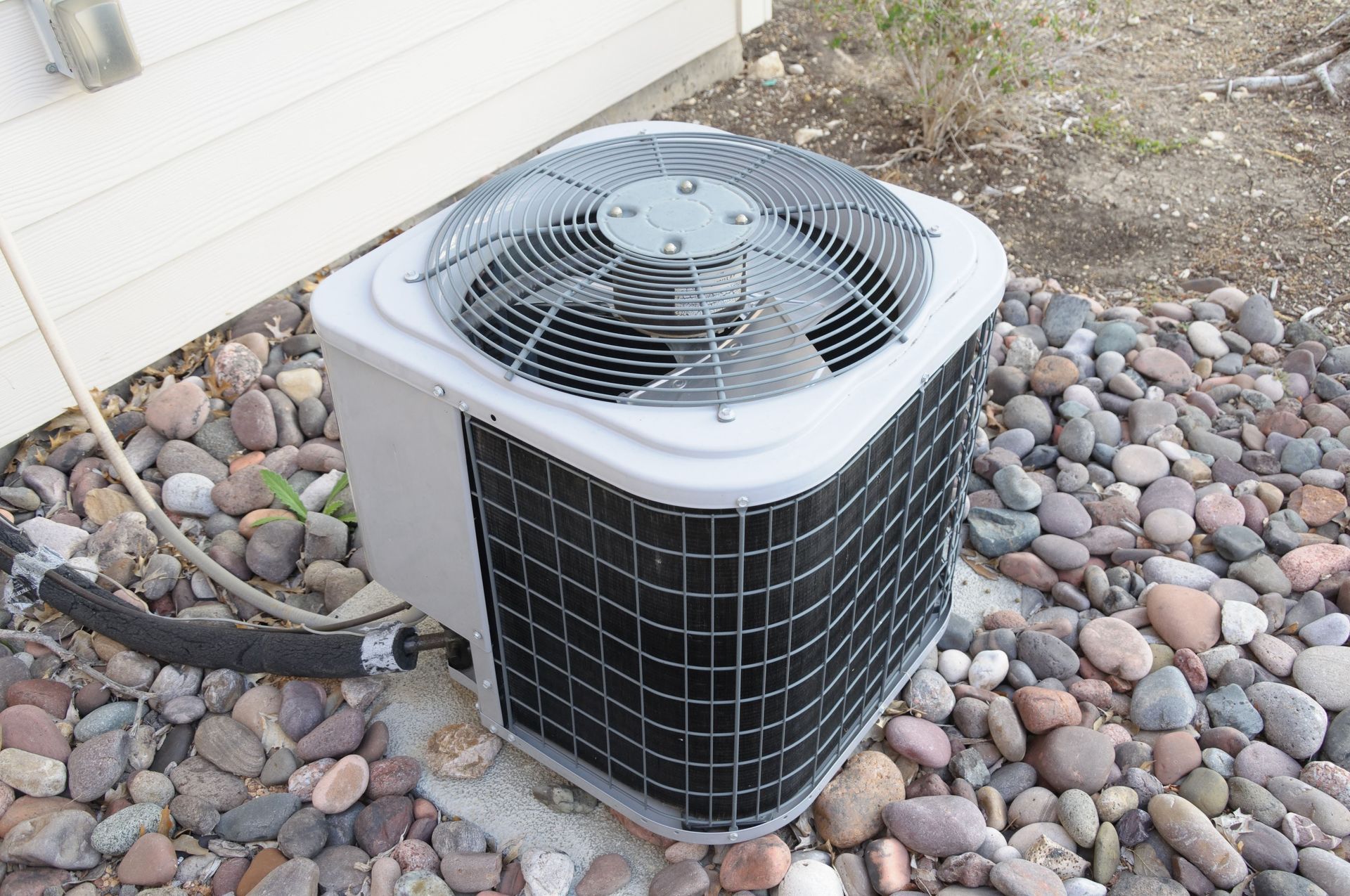
An air conditioner operates by extracting heat from indoor air and expelling it outside, thus cooling the interior of a building. It achieves this through a cycle of compression, condensation, expansion, and evaporation. This cycle facilitates the transformation of refrigerant from a high-pressure gas to a low-pressure liquid and gas. Integral to this process are the evaporator coil inside the house and the condenser coil outside. The efficiency of this entire process determines how effectively the system cools the space.
The evaporator coil plays a pivotal role in cooling the air that is circulated throughout a home. Located within the indoor unit, it absorbs heat from the indoor environment, allowing refrigerant to evaporate and facilitate heat exchange. As air moves over the coil, the refrigerant inside absorbs heat, cooling the air before it returns to the indoor environment. This component must maintain clean and clear surfaces to perform optimally. Proper maintenance of this coil is key to ensuring that the air conditioner runs efficiently, and AC repair may be needed when cooling problems continue after basic upkeep.
The evaporator coil is typically made from copper or aluminum, materials chosen for their thermal conductivity and resistance to corrosion. Aluminum coils are often considered more durable, but copper coils generally offer greater efficiency in heat transfer. These materials are carefully constructed into coil surfaces that facilitate effective energy exchange between the air and the refrigerant. Positioned centrally in an HVAC system, the coil's design and setting greatly influence its performance. Protective measures, such as filter maintenance, are vital to maintain its functionality.
Positioning Within the System
Positioning of the evaporator coil within the HVAC system impacts airflow and efficiency. This coil is usually housed inside the air handler, part of the system installed inside the home. Adjacent to the air blower motor, the coil receives circulated air, absorbing heat as it passes over the chilled surfaces. The cooled air is then redistributed into the interior space, maintaining the desired temperature. Ensuring unobstructed airflow is essential for the efficient functioning of the evaporator coil.
Maintaining the temperature regulation process within an air conditioner's system is crucial. The evaporator coil forms the cornerstone of this process, orchestrating the flow of refrigerant and control of air temperature. Proper refrigerant levels and airflow are necessary to avoid pressure imbalances and inefficient cooling. An adequately functioning system will keep a home consistently cool and efficient. Owners should be proactive in keeping the system well-maintained to avoid disruptions and scheduling AC repair when warning signs appear.
According to This Old House, HVAC systems have three components: heating, ventilation, and air conditioning. Alongside the heating and ventilation components, the air conditioning system, and specifically the evaporator coil, represents the cooling function of the system. This clarification underscores the importance of each segment's role in sustaining an indoor climate. Malfunctions in any component, such as the evaporator coil freezing, can disrupt overall system efficiency. Focused attention on maintenance keeps the collective system working harmoniously.
Common Causes of Evaporator Coil Icing
Insufficient Airflow
One of the most prevalent causes of evaporator coil icing is insufficient airflow. When airflow is obstructed, the temperature around the coil can drop significantly, leading to the freezing of moisture on its surface. This can occur due to closed or blocked vents, clogged air filters, or a malfunctioning blower motor. Without proper airflow, the coil cannot dissipate absorbed heat effectively. Consequently, ensuring that air circulates freely is key to preventing ice buildup, though AC repair may be necessary if airflow problems stem from mechanical failure.
Low refrigerant levels in an air conditioning system can lead to evaporator coil icing. As refrigerant levels drop, so do the temperatures around the coil, leading to the formation of frost. This is usually a result of leaks within the system, which require immediate professional attention and prompt AC repair. Refrigerant plays a fundamental role in the cooling cycle, making it essential to maintain adequate levels. Regular checks can prevent long-term complications and costly repairs.
Dirty or blocked filters are common culprits leading to restricted airflow and ultimately, icing of the evaporator coil. Filters are designed to trap particles and allergens, ensuring clean air circulation. However, over time, filters can become clogged, stifling airflow and causing the coil to ice over. Regular cleaning or changing of filters is essential to maintain unobstructed airflow and system efficiency. Not only does this prevent icing, but it also supports a healthier indoor environment.
Malfunctioning Thermostats
Malfunctioning thermostats can lead to coil icing due to erratic cooling cycles, causing the evaporator coil to freeze. When a thermostat is not accurately detecting room temperature, it can either overwork the system or cause frequent cycling on and off, both of which strain the evaporator coil. This strain can result in supercooling and subsequent ice formation if moisture condenses on the coil's surface. Regular calibration and testing of the thermostat can aid in avoiding these issues, but AC repair is often the safer choice when thermostat problems continue. A consistently maintained thermostat supports efficient system operation.
Closed or blocked vents within an HVAC system can significantly reduce airflow, leading to inefficient cycle operation and coil icing. When vents are obstructed, the reduced airflow causes the evaporator coil to operate below its intended temperature. This reduced airflow fails to sustain optimal coil conditions, resulting in freezing. Keeping vents open and unobstructed is a simple yet effective preventive measure. Proper vent management, along with consistent system maintenance, minimizes the risk of icing.
Effective airflow management can be compromised by external factors beyond the typical blockages within the home. Issues such as changes in duct design or external objects near vents also affect airflow dynamics. Monitoring these aspects prevents airflow disruptions, contributing to the seamless function of the entire HVAC system. By tracking airflow and maintaining ventilation integrity, homeowners can avoid common causes of coil icing. Awareness and proactive measures can support steady system performance.
The discussion on causes and consequences of evaporator coil icing reveals interconnected challenges and solutions in air conditioning systems. Homeowners who respond quickly to frozen coil symptoms can avoid bigger repair needs and unnecessary discomfort. By paying attention to airflow, refrigerant levels, thermostat performance, and routine maintenance, they can keep cooling systems dependable through the hottest months and make AC repair less stressful when professional service becomes necessary. Prioritizing routine upkeep supports system efficiency, comfort, and sustainability while safeguarding residents and ecosystems. Recommendations for diagnostics, solution implementation, and prevention cultivate adaptation and resilience toward operational harm, reassuring consistent comfort. Emphasizing knowledge acquisition unites communities on the path to optimal, efficient HVAC systems. This enduring pledge preserves performance standards and supports reliable home living into the future. Call Air West Air Conditioning, Inc today for more information.