November 16, 2026
Many property owners only consider their climate system when a mechanical failure occurs or when extreme weather arrives. However, a properly configured and maintained heating and cooling setup works continuously in the background to stabilize the living environment. Consulting a qualified HVAC company allows residents to understand how different components interact to create uniform living conditions. Exploring how heating and cooling setups shape daily home comfort reveals how modern equipment influences indoor living quality.
1. Regulating Ambient Temperatures Across Every Living Space
The most apparent function of any climate system is maintaining stable and enjoyable thermal conditions regardless of shifting outdoor temperatures. Whether a household faces freezing winter mornings or blistering summer afternoons, modern equipment modulates heating and cooling output to maintain desired conditions across interior rooms.
Steady Cooling During Summer Periods
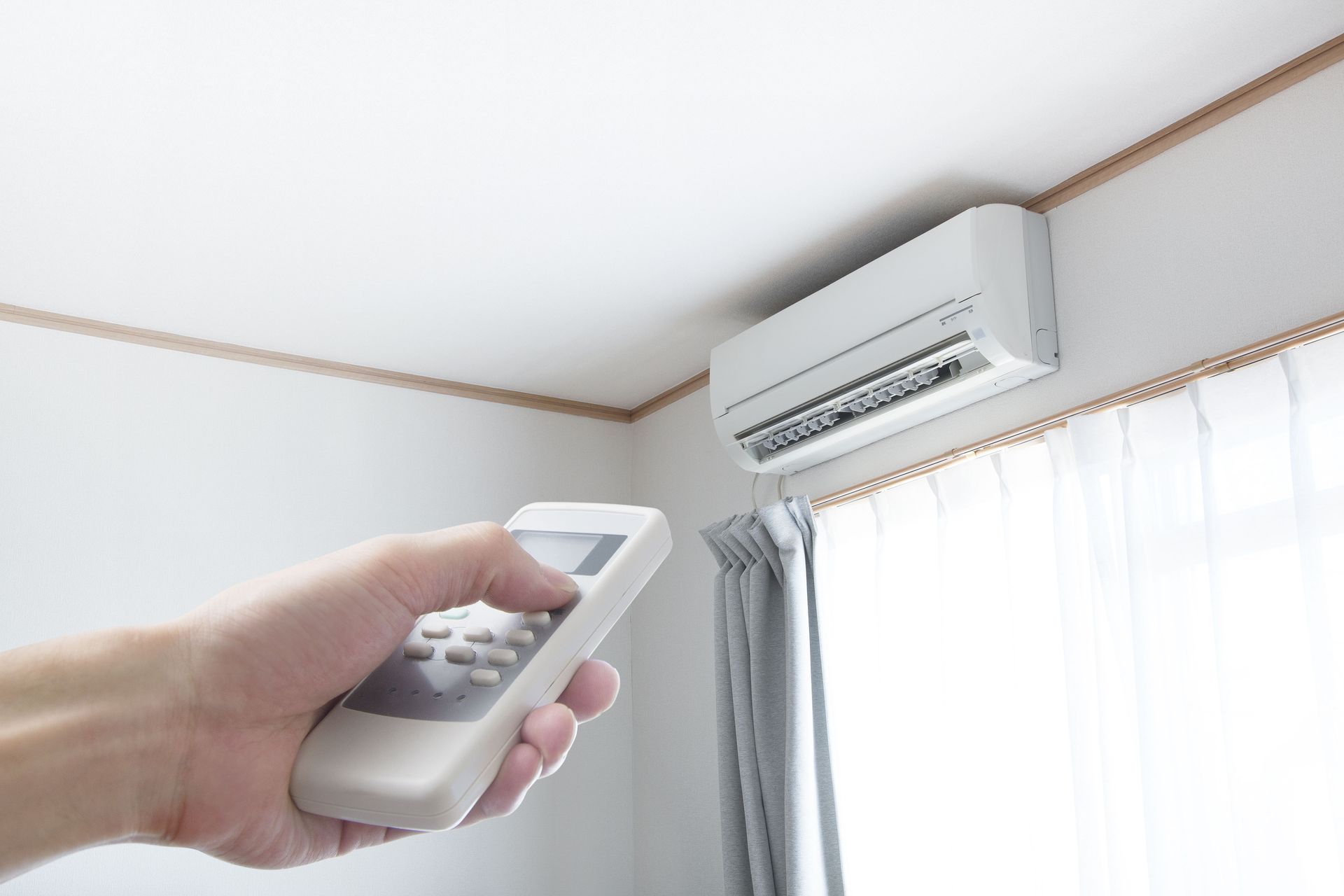
During periods of high summer heat, an air conditioner draws warm interior air across a chilled evaporator coil, extracting heat energy before circulating cooled air back into living spaces. When equipment is appropriately sized and calibrated, it runs in cycles that prevent sharp temperature spikes. A knowledgeable HVAC company can inspect equipment sizing to ensure systems run long enough to thoroughly cool the space without short cycling. Short cycles cause severe temperature swings that leave occupants feeling warm minutes after the air conditioner shuts down.
Uniform Heating During Winter Months
During cold weather periods, heat pumps and furnaces provide consistent heating to keep bedrooms, living rooms, and hallways cozy. Furnaces generate heat using burners and heat exchangers, whereas heat pumps extract ambient warmth from the outside air and transfer it indoors. Consistent heat delivery eliminates chilling drafts and prevents cold floors from undermining indoor comfort during winter months.
2. Balancing Indoor Humidity Levels Throughout Every Season
Indoor comfort depends heavily on relative humidity, which describes the amount of moisture present in the air relative to the temperature. Even if a thermostat reads an ideal temperature, elevated moisture levels can make indoor air feel heavy, muggy, and oppressive. Conversely, excessively dry air can irritate respiratory passages, dry out skin, and cause static electricity.
Moisture Removal During Humid Periods
Air conditioners naturally dehumidify indoor spaces during normal cooling cycles. As warm, humid household air passes over cold evaporator coils, airborne moisture condenses into liquid water and drains away safely outdoors. If a system lacks proper maintenance or fails to run balanced cycles, humidity lingers inside the structure. Coordinating with an established HVAC company helps homeowners maintain clean coils and clear condensate lines, which allows cooling equipment to extract moisture at optimal rates and maintain refreshing indoor conditions.
Moisture Retention During Dry Months
During cooler periods, running heating equipment can rapidly deplete indoor moisture, leading to parched indoor environments. Heat pumps offer gentle heating that avoids severe air drying compared to older heating configurations. Proper temperature management minimizes the excessive drying of indoor air, preserving natural comfort levels and preventing irritation during colder weather.
3. Enhancing Air Filtration to Reduce Airborne Particles
Indoor air frequently contains higher concentrations of airborne contaminants than outdoor air, including dust mites, pet dander, lint, and outdoor pollen brought inside on clothing. A central climate control system continuously circulates household air, presenting an ongoing opportunity to capture and remove airborne particulates.
Continuous Capture of Floating Dust
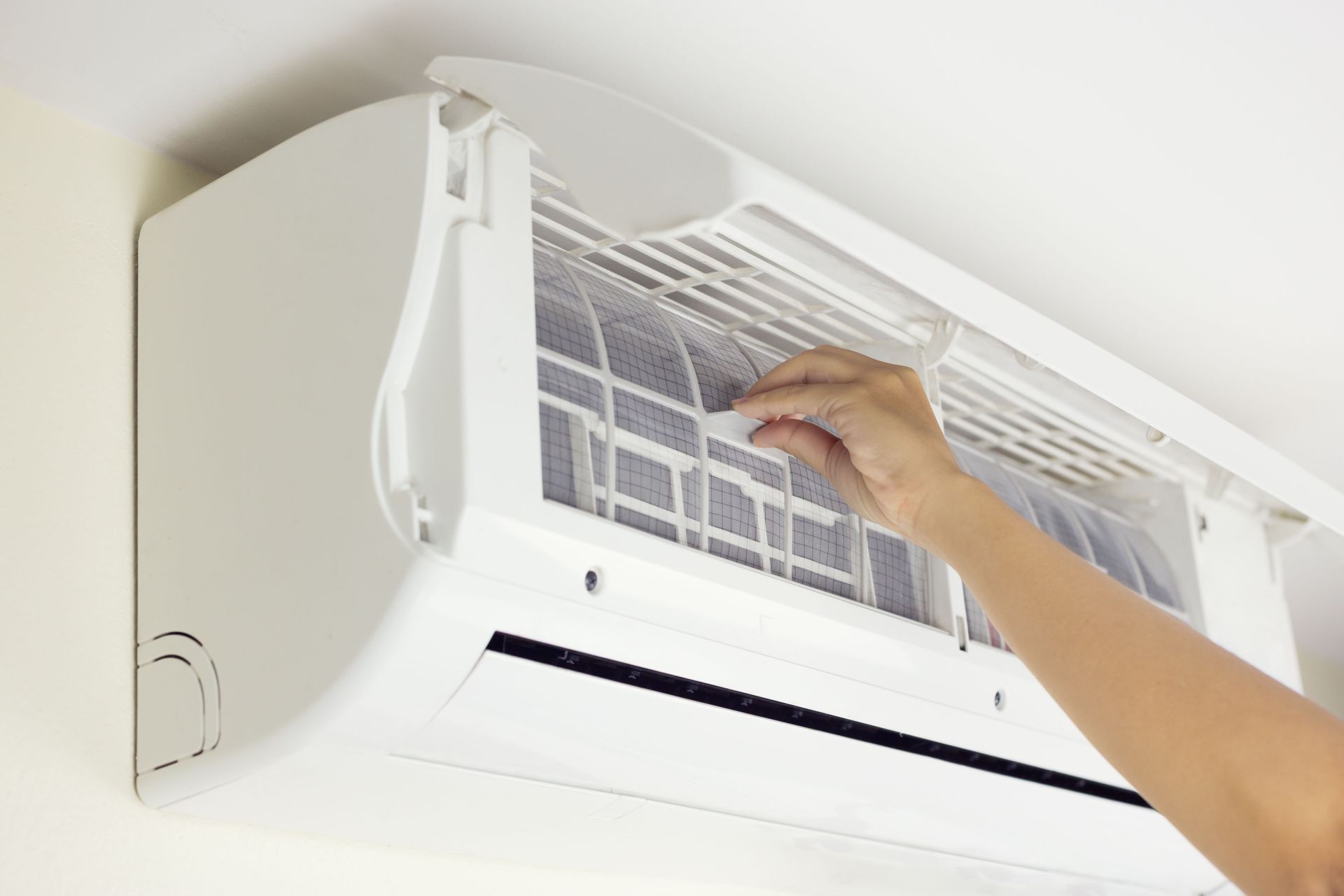
Whenever the system fan operates, air moves through return grilles and passes through an integrated air filter before reaching mechanical heating and cooling components. This filtration process traps larger floating particles, keeping them from recirculating into living spaces where family members rest and breathe. Routine consultation with an experienced HVAC company ensures that homeowners select filters with appropriate efficiency ratings that trap contaminants without restricting airflow to the blower motor.
Regular Replacement of Intake Filters
Over time, captured debris accumulates across the surface of the filter media, creating a dense barrier. When filters become excessively clogged, the system struggles to pull air through the intake, which reduces overall circulation and permits dust to bypass loose edges. Replacing filters on a predictable schedule maintains clean interior surfaces, reduces airborne irritants, and promotes effortless airflow throughout the home.
4. Distributing Airflow Evenly to Eliminate Uneven Zones
A home cannot feel truly comfortable if one room feels like an icebox while an adjacent room remains uncomfortably warm. Air distribution plays a vital role in balancing temperatures and refreshing stagnant spaces across diverse floor plans.
Proper Delivery Through Sized Ductwork
Conditioned air travels through an intricate network of supply and return ductwork concealed within ceilings, floors, and walls. When ductwork is correctly planned and sealed, conditioned air reaches distant corners with sufficient velocity to circulate effectively. When ducts develop leaks, conditioned air escapes into attic spaces or crawlspaces, depriving living zones of necessary heating or cooling. An attentive HVAC company evaluates duct balance and airflow delivery, ensuring each room receives the exact air volume required to sustain uniform comfort.
Balanced Circulation Through Living Areas
Supply registers and return vents work together to maintain continuous air movement without generating harsh drafts. Well-placed vents direct air along exterior walls and windows where heat gain or heat loss is greatest. This thoughtful circulation prevents thermal stratification, a condition where warm air pools near the ceiling while cold air gathers near the floor, ensuring consistent temperatures from head to toe.
5. Minimizing Operational Noise for a Peaceful Home
True comfort extends beyond physical sensations of temperature and involves acoustic tranquility. Older or neglected climate systems often produce rattling sounds, loud vibrations, popping ductwork, or screeching belts whenever a heating or cooling cycle begins.
Quiet Operation of Modern Compressors
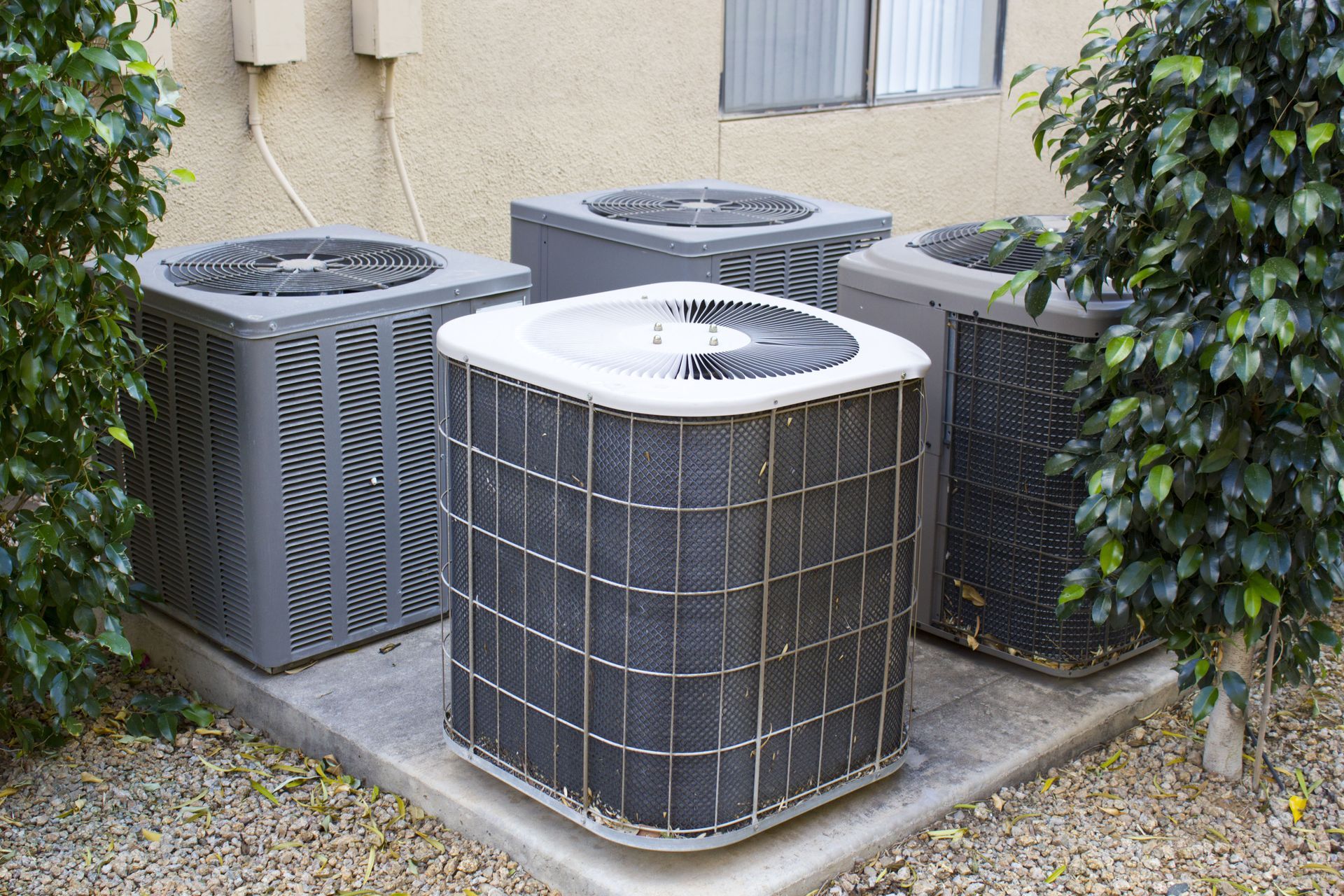
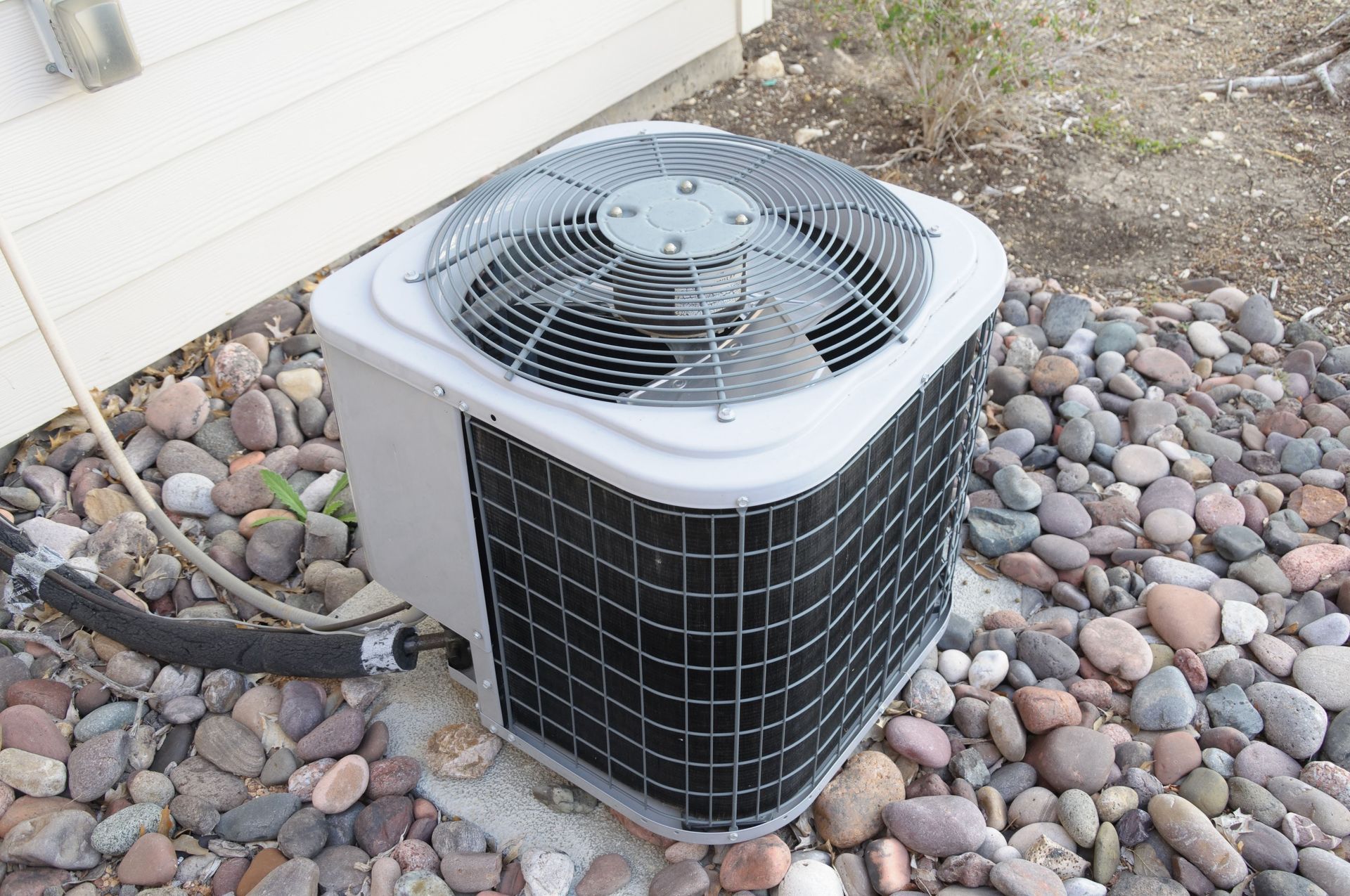
Contemporary air conditioning units and heat pumps feature advanced compressor technology, insulated cabinets, and aerodynamic fan blades designed to dampen sound. These advancements allow exterior condenser units to run quietly without intruding upon outdoor patios or nearby bedroom windows. Scheduling seasonal inspections with a licensed HVAC company helps catch worn bearings or vibrating brackets before minor mechanical vibrations develop into loud, disruptive rattles.
Smooth Air Movement Through Vents
Excessive air velocity through undersized grilles often creates annoying whistling or rushing sounds that disrupt quiet evenings and restful sleep. Properly engineered duct transitions and dampening insulation reduce air turbulence as air moves from the air handler toward living areas. The result is a gentle, barely audible breeze that maintains comfort without drawing attention to equipment operation.
6. Maintaining Energy Efficiency for Reliable Performance
An efficient climate system delivers steady comfort without straining mechanical components or causing erratic cycling behavior. High-efficiency configurations utilize multi-stage or variable-speed technology to deliver precise levels of heating and cooling that adapt continuously to shifting conditions.
Seasonal Efficiency of Modern Units
According to HomeGuide, depending on the brand and unit specifications, HVAC systems commonly have a Seasonal Energy Efficiency Ratio (SEER) rating between 13 and 26. Units on the higher end of this spectrum often feature variable-speed compressors that run continuously at lower speeds, providing superior humidity removal and consistent temperature control compared to single-stage units that cycle abruptly on and off.
Routine Inspections by Certified Technicians
Even advanced equipment requires regular evaluation to maintain performance benchmarks. Inspecting electrical connections, checking refrigerant pressures, and cleaning heat exchangers ensures every component functions smoothly. Partnering with a dedicated
HVAC company for scheduled checkups prevents gradual performance decline, keeping indoor comfort seamless and reliable throughout changing seasons.
Selecting Professional Support for Long-Term Home Comfort
Achieving an ideal indoor environment requires steady attention to temperature regulation, humidity balance, air cleanliness, and airflow management. When residential heating and cooling equipment operates smoothly, occupants enjoy quiet, uniform climate conditions in every room of the home. Partnering with skilled technicians ensures that all mechanical elements function in complete harmony to support household health and relaxation. For property owners seeking consistent temperature control and reliable heating and cooling, reaching out to Air West Air Conditioning Inc is a dependable step toward elevating year-round home comfort.